

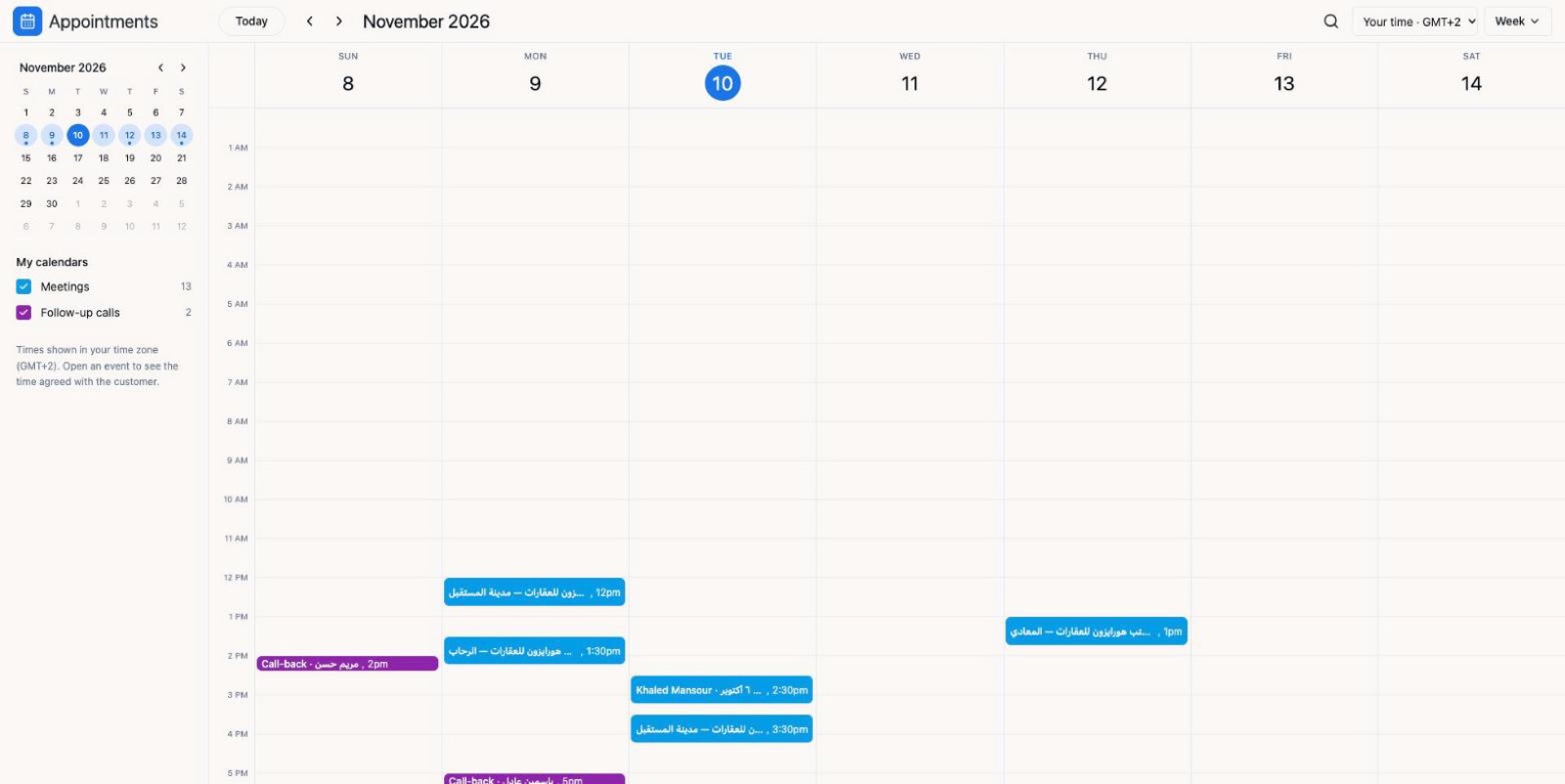
Can AI outbound calling really reduce no-shows? It can help, because an AI agent can call every patient or customer before their appointment, ask a simple question, and confirm, reschedule or cancel on the spot. The empty slot then gets freed up in time to be filled, instead of being discovered when nobody shows up.
Most businesses already know that reminders work in principle. The problem is staffing: someone has to make dozens of short calls every afternoon, and those calls are the first thing to be dropped when the front desk gets busy. This is exactly the kind of repetitive, time-sensitive work an AI agent handles well.
What an appointment reminder call actually looks like
A good reminder call is short. The agent introduces the business, names the appointment, and asks one clear question: will you be able to make it? From there the conversation goes one of three ways.
- Confirm: the caller says yes, the appointment is marked as confirmed, and a WhatsApp message with the time and location can follow.
- Reschedule: the caller can't make it, so the agent offers the next available slots and books a new one.
- Cancel: the caller no longer needs the appointment, the slot is released, and your team can offer it to someone else.
- Hand over: the caller has a question the agent shouldn't answer, so it passes the call to a person with the context already attached.
In Egypt and the Gulf, callers often switch between Arabic and English mid-sentence, or reply in a dialect rather than formal Arabic. Kalemna's agents speak English, Arabic dialects & 25+ languages, with Egyptian and Gulf dialects covered, so the reminder sounds natural to the person receiving it.
Who benefits most from reminder calls
Any business that sells time benefits, but a few situations come up again and again.
- Clinics and dental practices: a missed check-up slot is lost capacity, and patients often forget a booking made weeks earlier.
- Car dealerships and workshops: service appointments and test drives need a reminder and a quick way to move the time.
- Real estate: property viewings that get confirmed the day before are easier to plan around for your agents.
- Salons, gyms and education: classes, trials and campus visits all depend on people turning up at a set time.
How to set up outbound call campaigns step by step
Start small. A single appointment type and a single reminder window is enough to learn from.
- Pick one appointment type, such as first-time consultations, and one reminder timing, such as the day before.
- Write the call in plain words: who you are, which appointment, what you need from the caller.
- Decide the rules for rescheduling: which slots can be offered, how far ahead, and who approves exceptions.
- Connect the calendar or CRM so confirmations, changes and cancellations update automatically, instead of someone retyping them.
- Set calling hours that respect local habits: avoid prayer times where relevant, late evenings, and Friday mornings in many markets, and adjust during Ramadan.
- Test with your own team first, then run a small batch and read the recordings and transcripts before scaling up.
What to automate and what to keep human
Reminders and simple rescheduling are good candidates for automation. The questions are predictable, the answer is usually yes, no or a different time, and the agent never gets tired of the fortieth call of the day.
Keep people in the loop for anything sensitive or unusual: a patient who sounds unwell, a complaint, a complicated booking that involves several people, or a customer who simply asks for a human. A good setup makes that handover easy, with the call history passed along so nobody has to ask the caller to repeat themselves.
Mistakes to avoid
- Calling too late: a reminder an hour before is too short to refill the slot. Leave enough time to rebook.
- Calling the wrong people: keep your contact list clean, and respect anyone who asks not to be called.
- Making the call too long: one question, one answer, done.
- Skipping the follow-up: if the caller doesn't pick up, send a WhatsApp message or try again at a different time of day.
- Never reading the results: review recordings and transcripts regularly and tune the script.
What to measure
Compare the same appointment type before and after reminders, using your own numbers. Look at how many reminders were answered, how many appointments were confirmed, rescheduled or cancelled in advance, and how many slots were refilled. Kalemna's dashboard keeps call recordings, transcripts and outcomes in one place, and you can export the data to Excel to review it with your team.
A useful habit is to listen to a handful of calls every week. You will quickly hear where callers get confused, and a small wording change often fixes it.
Frequently asked questions
Is an AI reminder call better than an SMS or WhatsApp message?
They work best together. A call gets a real answer and can reschedule instantly, while a WhatsApp message is a good follow-up with the time and location, or a fallback when the call isn't answered.
Can the agent reschedule an appointment, not just remind?
Yes. When connected to your calendar or CRM, the agent can offer open slots, book the new time and release the old one, then update your records.
What if the caller wants to speak to a person?
The agent hands the call to your team with the conversation so far, so the caller does not have to start over.
Which languages can the reminder calls use?
English, Arabic dialects & 25+ languages, including Egyptian and Gulf dialects, so you can call each person in the language they prefer.