

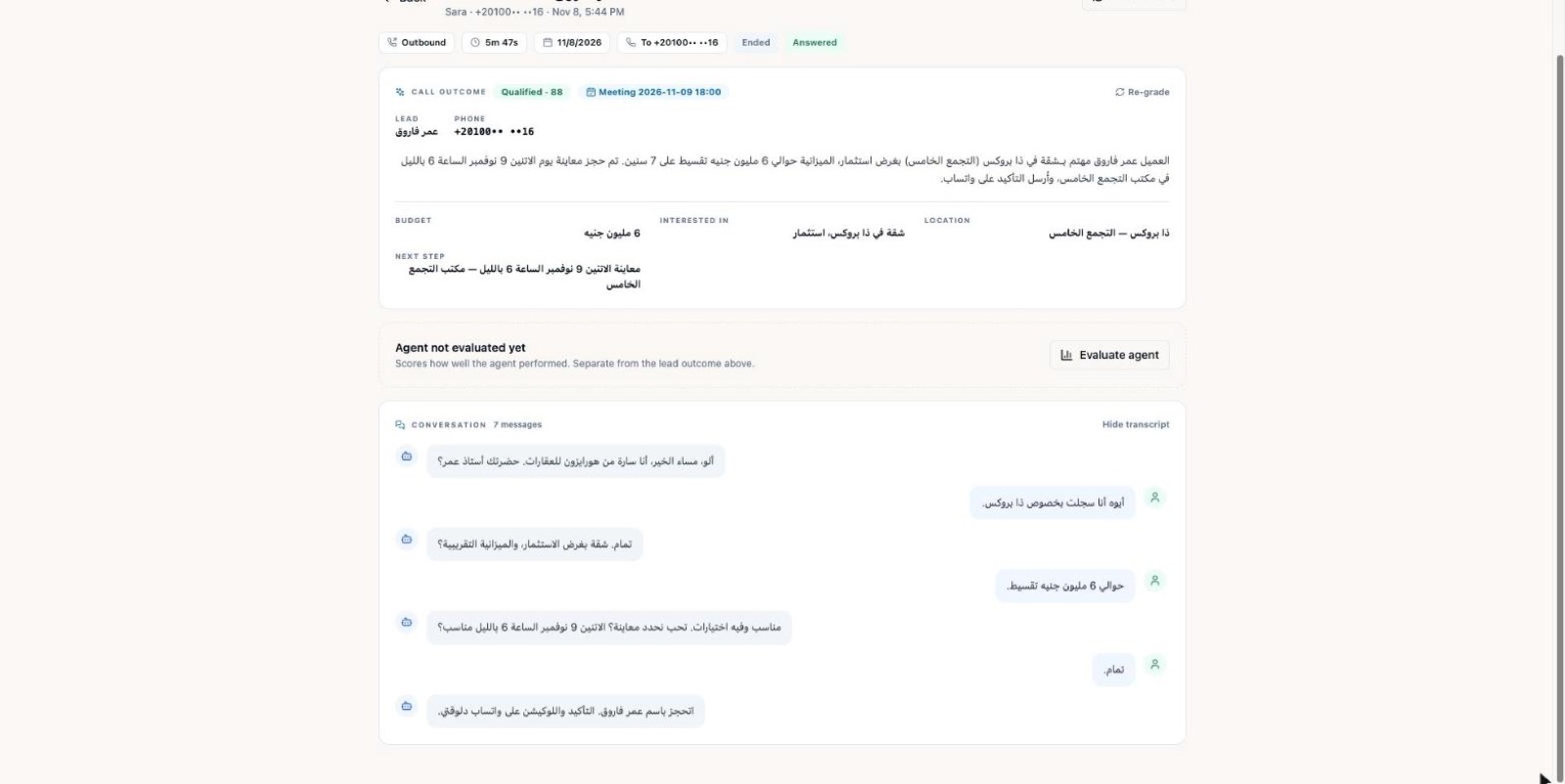
The AI receptionist vs answering service question comes down to what you need on the call. An IVR only routes callers through a menu. An answering service uses people to take messages. An AI receptionist understands the caller, answers, books and follows up, at any hour. Many businesses end up using one of them as their main line and keeping people behind it.
IVR: the phone menu
IVR stands for Interactive Voice Response. This is the "press 1 for sales, press 2 for support" system. An IVR system plays recorded options, listens for a keypress or a few set words and sends the call to a department or plays a recording.
It is cheap to understand and fine for a very simple routing job. The weakness is rigidity: if the caller's reason is not on the menu, or they do not know which option fits, they get frustrated or pick the wrong one. It cannot answer a question or book anything.
Answering service: people taking messages
A traditional answering service, sometimes called a virtual receptionist when it is staffed remotely, is a team of people who answer your calls for you. They greet the caller in your business name, take a message or follow a script, and pass it on.
The human touch is real and callers like being heard by a person. The limits are practical: capacity during busy periods, coverage outside agreed hours, how well they know your business, and the fact that most of them take messages rather than resolve the request.
AI receptionist: an agent that talks and acts
An AI receptionist, sometimes called an AI answering service or AI phone agent, is a voice agent that answers in natural conversation. It understands what the caller says, answers from the information you give it, qualifies the request, books an appointment and sends a follow-up. It works 24/7 and can take many calls at once.
Kalemna's agents, for example, answer in English, Arabic dialects & 25+ languages, update your CRM and calendar, send WhatsApp follow-ups, and hand the call to your team with context when needed.
Side by side
- Understands free speech: IVR no, answering service yes, AI receptionist yes.
- Answers questions about your business: IVR no, answering service limited by script, AI receptionist yes, from your information.
- Books appointments: IVR no, answering service sometimes, AI receptionist yes when connected to your calendar.
- Available 24/7 and during peaks: IVR yes, answering service depends on the plan, AI receptionist yes.
- Handles many calls at once: IVR yes, answering service limited by staff, AI receptionist yes.
- Brings a person in when needed: IVR by routing, answering service by default, AI receptionist by handover with context.
How to choose
Start from your calls, not from the technology. Ask what callers actually want, how many arrive when you are closed, and what a missed or mishandled call costs you.
- If you only need to send callers to the right department, an IVR can be enough.
- If you want a human voice and low call volume, an answering service can work.
- If callers ask questions, book appointments or need follow-up, and you get calls at night, on Fridays or during Ramadan hours, an AI receptionist fits best.
- If calls are sensitive or complex, keep people on the line and use the AI for the first step and the after-hours gap.
Mistakes to avoid
Do not stack a long IVR menu in front of an AI agent. That brings back the very frustration you are trying to remove. Let the agent greet the caller and find out what they need.
Do not assume the AI must replace your people. Most teams get the best result from a mix: the agent as the first line, people for the calls that matter most. And test before you commit: listen to recordings of real calls in your callers' language and dialect.
What to measure
Whichever option you pick, track the same things: how many calls you answer, how many requests end in a booking or a resolved question, how many are handed over, and what callers say afterward. Compare against your current numbers rather than other companies' figures.
Frequently asked questions
What does IVR mean?
IVR means Interactive Voice Response: an automated phone system that plays options and routes callers based on keypresses or a few spoken words.
Is an AI receptionist better than an answering service?
For routine questions, bookings and 24/7 coverage, often yes. For delicate conversations a person is still better, so many businesses use both together.
Can an AI receptionist replace my IVR?
Yes. The agent can greet the caller and understand the reason in their own words, so a menu is usually no longer needed.
Does an AI receptionist work in Arabic?
It can. Kalemna agents handle English, Arabic dialects & 25+ languages, including Egyptian and Gulf Arabic.